The reason for Trump's victory recently is rather controversial, many blame misogyny and racism while others blame the democratic party’s strategy of being “Anti-immigration” or “having a lack of progressive policies”. There isn’t one single issue that led to the defeat of the democratic party. Still, the undeniable thing is the charismatic aspect of Trump that the Republicans used on behalf of Trump in their strategy to win this election. There is vulnerability and instability when it comes to Charismatic Authority which perfectly illustrates Trump and the attitudes his followers hold of him. This essay will explore how Max Weber’s concept of charismatic authority helps us understand Trump’s appeal and strategic use of charisma to win electoral support. Examining Trump’s media persona, his messages, and the response from his followers will help illustrate the revolutionary and unstable nature of charismatic authority in modern politics.
Max Weber’s definition of Charismatic Authority is Power legitimized by a leader’s exceptional personal qualities, which inspire loyalty and obedience from their followers. From the Yale University Class SOCY 151, further explanation is given on charismatic authority by stating it as a revolutionary and unstable form of authority in which the leader promises change in the future for society, this way Charismatic authority is revolutionary in the way traditional and legal-rational authority is not. It is unstable in the way that if the leader cannot produce the changes he promises or when he confronts the contradictory logics their authority will begin to deteriorate.
Traditional and Legal Rational Authority are not the same as Charismatic because of the way their leaders will rely on them for power. Traditional authority is a form of leadership in which authority derives from conventional customs. Max Weber traces this authority to patriarchs, or the older father in which he doesn’t have any real power but rather relies on subservient group members to respect his authority, obeying him on the belief that it's their duty, sanctioned by tradition. Legal Rationale is authority based on legality where a leader will derive their power from the state’s legal apparatus. Max Weber describes this type of authority that emerged from the patrimonial and feudal struggle for power uniquely in Western civilization. Trump as a leader also fits into the legal-rational authority archetype as his power comes from the presidency which uses legality as a way to control the various components of the government and the military. Every president of the U.S. fits into Legal rationale but Trump fits into Charismatic Leadership due to his railing on the message of draining the swamp, which resonated as a challenge to the establishment democrats and was successful in framing Trump as an outsider promising revolutionary change.
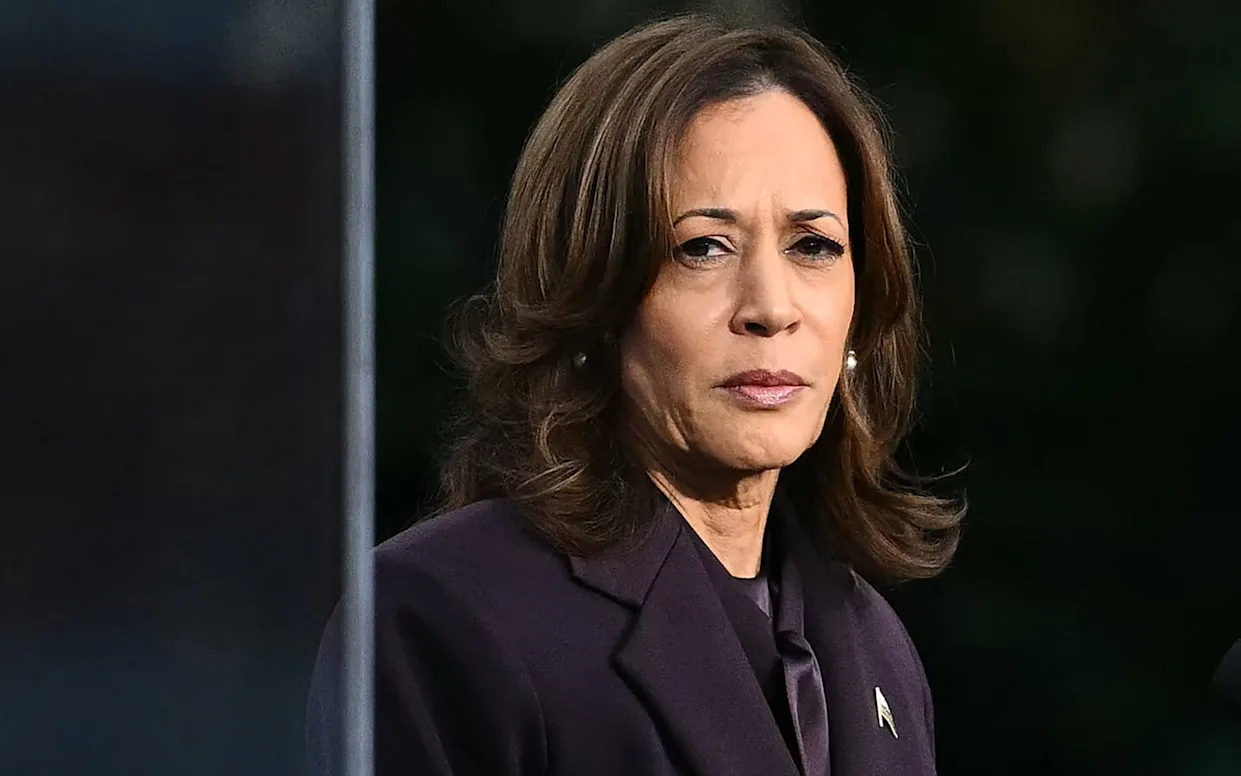
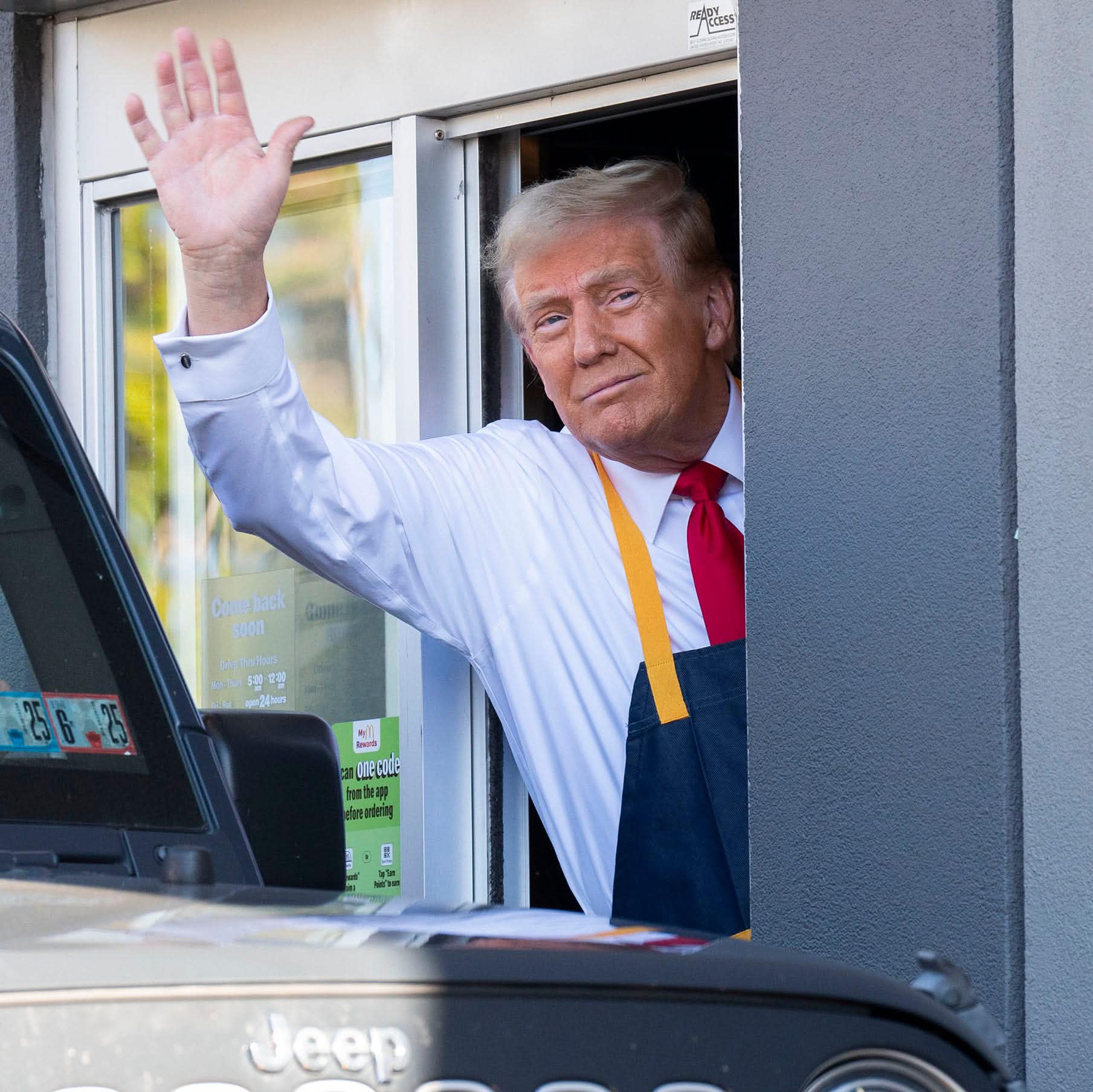
Trump isn’t entirely the reason why his personality was center stage during this election. In an NPR article “How Personality trumped policy in this media election cycle” a quote that stands out is “President Kamala Harris may have spent too much time during the campaign focused on her opponent, making the election seem like a referendum on his personality”. Kamala Harris, in a way, failed to shape her public image as a newcomer to the role of the presidency, against her opponent who was already the president. Trump was successful in presenting a new direction from his presidency in 2016 and part of that reason was Kamala’s focus on Trump’s personality and his persistent effort to humanize himself by going on podcasts and doing performative volunteering roles. One volunteering role that stood out was his appearance at a McDonald’s drive through where he would deliver food to the people. This financial transaction came across as a symbolic helping hand which worked in his favor. Kamala’s lack of messaging on policy and her relentless focus on carrying a centrist point of view failed to show why she would be a viable candidate as opposed to Trump who was seen meeting people and having genuine conversations, although very performative it worked.
Trump exemplifies the archetype of Charismatic Authority because of the way he speaks and the image he cultivates. The Apprentice helped push an image of success and competence, which presented Trump as a self-made billionaire and master of business strategy. In the New York Times article “The Star-Making Machine That Created ‘’Donald Trump” , it is detailed that the producers carefully concocted a public persona for Trump by editing and staging scenes that held him in a different light than in reality. This public persona masked his financial struggles and created a deity-like aura around him. With the mixture of authority and entertainment, Donald Trump was able to demonstrate how artificial reputations can construct an illusion of success. Legitimacy hinges on perception rather than objective achievements as defined by Max Weber on Charismatic Authority.
The recent victory in the election of Trump has caused a sizable amount of controversy and there are multiple lessons to be learned by the democrats and the left in general, blaming underlying biases such as misogyny and racism, while others point to the Democratic Party’s strategy of being seen as “anti-immigration” or lacking progressive policies. Although all of these problems played a role in defeating the democratic party, it is undeniable the charismatic appeal of Trump utilized by the republican party helped achieve the electoral victory. The concept of Charismatic Authority as defined by Max Weber, power legitimized by a leader’s exceptional personal qualities, provides a framework for what makes Trump’s appeal to the republican and the country as a whole. By examining his media persona, his connection to his supporters and the vulnerabilities masked by his public persona can it only be evident how his authority is perceived as both revolutionary and unstable. Charismatic authority has an effect in modern politics in the context of a leader being able to win a democratic election based on a narrative of success even when reality does not support him.